

How to Choose Outdoor Fire Pits: A 2026 Buying Guide
Table of Contents
- How to Choose Outdoor Fire Pits: Key Evaluation Framework
- Wood Burning vs Gas Fire Pit: Which Fuel Type Is Right for You
- Best Fire Pit Materials: Durability, Aesthetics, and Performance
- Outdoor Fire Pit Size Guide: Matching Capacity to Your Space
- Fire Pit Safety Tips and Clearance Requirements
- Portability vs. Permanent Installation: Finding Your Fit
- Environmental Impact and Fuel Source Considerations
- Essential Fire Pit Accessories and Maintenance
Last Updated: July 14, 2026
How to Choose Outdoor Fire Pits: Key Evaluation Framework
Choosing the right outdoor fire pit comes down to matching it to your lifestyle, space, and maintenance tolerance. The difference between a beloved gathering space and an unused purchase depends on understanding five core decision points: fuel type, material durability, size, safety requirements, and portability.
Each decision cascades into the others. Pick the wrong fuel type, and you'll struggle with maintenance. Choose a material unsuited to your climate, and it will deteriorate within two seasons. Miss your space requirements, and you'll either have a fire pit that dominates your patio or one that barely radiates heat.
Wood Burning vs Gas Fire Pit: Which Fuel Type Is Right for You
Your fuel choice determines maintenance demands, ambiance quality, convenience, and even neighborhood restrictions. Switching fuel types after purchase isn't practical, so this decision matters most.
Wood-Burning Fire Pits: Ambiance and Tradition
Wood-burning fire pits deliver genuine ambiance: crackling sounds, woodsmoke aroma, and unpredictable flames that draw people in. The trade-off is significant. You'll need to source, store, and season firewood, manage ash cleanup after each use, and deal with variable smoke output based on wood moisture.
A common mistake is using unseasoned wood, which produces excessive smoke and minimal heat. Properly seasoned hardwoods like oak or maple burn hotter and cleaner than softwoods.
Wood-burning fire pits work best if you enjoy the ritual of fire-building and live in an area without strict smoke ordinances. They're ideal for properties with ample wood storage space and where occasional smoke won't bother neighbors. Initial costs are typically lower than gas alternatives.
Gas Fire Pits: Convenience and Control
Gas fire pits offer instant ignition, adjustable flame height, and zero ash cleanup. You control intensity with a knob, making them ideal for entertaining when you want predictable performance.
The convenience comes with higher upfront costs, especially for natural gas line installation, which requires professional trenching and permits. Propane tank models are more portable but require regular refilling. Gas flames lack authentic crackling and woodsmoke aroma, though they produce genuine heat and a refined aesthetic suited to modern patios.
Gas fire pits work best if you prioritize ease of use, live in smoke-restricted areas, or want reliable performance without preparation.
Pellet and Smokeless Options
Pellet fire pits burn compressed wood pellets in a controlled chamber, producing minimal smoke and consistent heat. They require an electrical connection for the pellet hopper, which some buyers find limiting.
Smokeless fire pits use a double-wall design creating secondary combustion that burns off smoke before it escapes. They deliver wood-burning aesthetics with significantly reduced smoke, a genuine advantage for smoke-sensitive neighbors. However, they still require firewood and cost more than traditional wood-burning models.
| Fuel Type | Heat Output | Maintenance | Ambiance | Best For |
|---|---|---|---|---|
| Wood-burning | Variable | High (ash, storage) | Authentic crackling | Traditionalists with space |
| Propane gas | Consistent | Low (refill tanks) | Refined flame | Frequent users, convenience seekers |
| Natural gas | Consistent | Minimal | Refined flame | Permanent installations |
| Pellet | Consistent | Medium (pellet sourcing) | Controlled burn | Smoke-conscious homeowners |
| Smokeless | Variable | Medium (firewood) | Authentic with less smoke | Smoke-sensitive areas |
Best Fire Pit Materials: Durability, Aesthetics, and Performance
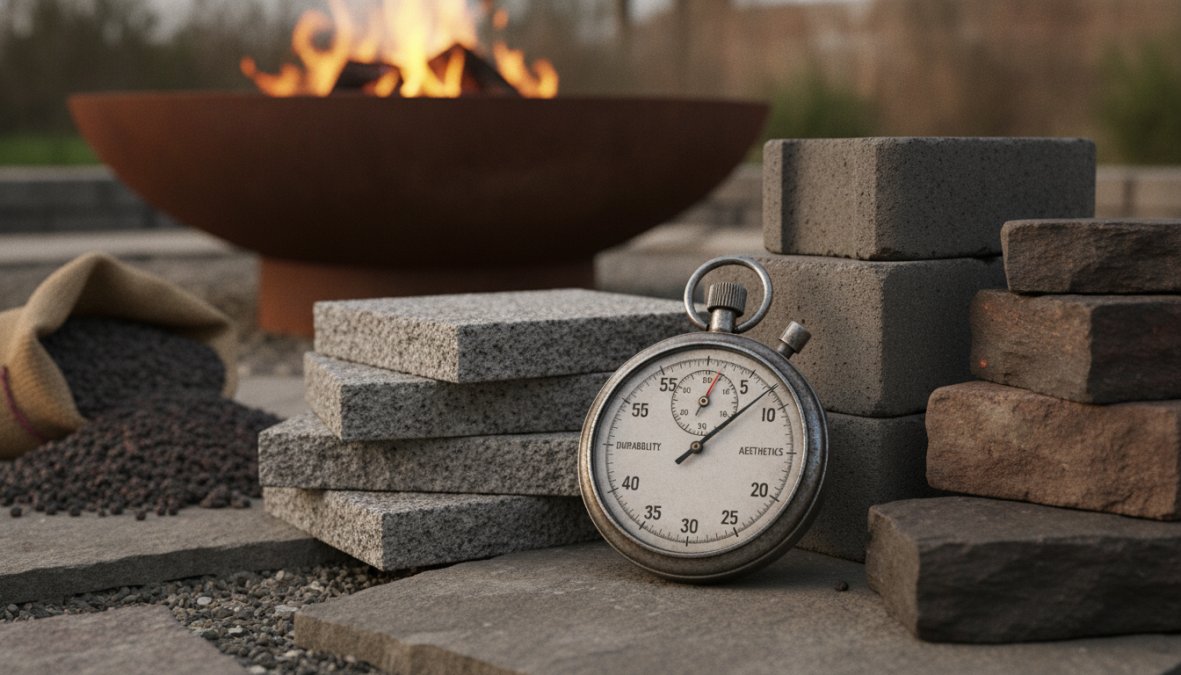
The material you choose determines longevity and weather resistance. Material failures are among the most common regrets, investing in a beautiful fire pit only to watch it rust or crack within a few seasons.
Steel and Powder-Coated Options
Powder-coated steel balances durability, aesthetics, and cost. The coating provides rust resistance and finished appearance in various colors. However, longevity depends entirely on maintenance. Chips in the coating expose bare steel to oxidation, creating rust spots that spread if not addressed.
Premium fire pits use thicker coatings and higher-quality paints that resist UV fading and thermal stress better than budget alternatives. The difference becomes visible within one season.
Steel fire pits work best in dry climates where rust pressure is lower. In humid or coastal environments, maintenance burden increases significantly because salt air and moisture accelerate corrosion. Expect to touch up coating every 2-3 years in challenging climates.
:::pro-tip Store your steel fire pit under a weather-resistant cover during off-season months. This single step extends coating life by 50% and prevents rust initiation. :::
Stone, Concrete, and Cast Aluminum
Stone and concrete fire pits are essentially permanent installations. Stone offers unmatched aesthetic appeal and integrates beautifully with hardscaping, but it's heavy, expensive, and requires professional installation. Concrete is more affordable and customizable but can crack under thermal stress if not properly reinforced.
Cast aluminum is lighter than steel and naturally corrosion-resistant, making it ideal for humid climates. It won't rust and requires minimal maintenance. The trade-off is that cast aluminum doesn't radiate heat as efficiently as steel, so you'll feel less warmth at distance.
Climate-Specific Material Durability
Your climate should drive material selection more than aesthetics. In dry climates, powder-coated steel performs well. In humid subtropical or coastal environments, cast aluminum or stainless steel becomes the better choice despite higher cost.
Freeze-thaw cycles are particularly damaging to porous materials like concrete and stone. In cold climates, these materials can crack as water penetrates, freezes, and expands. In these regions, steel or aluminum fire pits with proper drainage are more reliable.
The best material isn't the most durable, it's the one that requires maintenance you'll actually perform. A powder-coated steel fire pit in a dry climate that you'll cover and touch up is superior to a cast aluminum pit in a humid climate that you'll neglect.
Outdoor Fire Pit Size Guide: Matching Capacity to Your Space
Fire pit sizing involves three interconnected considerations: physical patio dimensions, the heat radius you need, and how many people you want to accommodate comfortably.
Understanding Heat Radius and BTU Output
BTU output measures heat intensity, but it's only meaningful in context. A 50,000 BTU fire pit throws significant heat in a concentrated area, while a 30,000 BTU model spreads warmth across a wider but less intense radius. For most residential patios, 30,000-50,000 BTU is ideal for keeping 6-10 people comfortable.
Heat radius depends on wind, humidity, and ambient temperature as much as BTU output. A 40,000 BTU fire pit might effectively heat a 15-foot radius on a calm evening but only 8 feet on a breezy night. In windy locations, higher BTU output becomes necessary.
Design choices like reflectors or angled construction often matter more than marginal differences in BTU ratings because they distribute heat evenly rather than projecting it upward.
Fire Pit Shapes: Round, Square, and Rectangular Considerations
Round fire pits work well for intimate gatherings where everyone sits facing the center. They require less patio space and create natural conversation circles.
Square and rectangular fire pits suit modern designs and integrate better with linear furniture arrangements. Rectangular models work particularly well along one side of a patio, creating a focal point without consuming central space.
The shape affects how you'll integrate the fire pit with existing furniture. A round fire pit works best with circular seating. Square or rectangular fire pits pair naturally with straight-line furniture placement.
Integration with Existing Patio Furniture and Hardscaping
Before choosing a fire pit, measure your patio and sketch furniture placement. You'll need at least 10-12 feet of clear space around the fire pit for safe seating clearances and traffic flow.
Consider the fire pit's visual weight relative to existing hardscaping. A massive stone fire pit dominates a small patio and makes the space feel cramped. A refined tabletop fire pit disappears into a large patio. The ideal choice feels proportional.
Material and color should complement your patio's existing palette. If your patio features warm stone tones, a concrete or copper fire pit harmonizes better than black powder-coated steel.
Fire Pit Safety Tips and Clearance Requirements
Safety isn't negotiable when introducing an open flame to your outdoor space. The difference between safe operation and hazards comes down to understanding clearance requirements and installation best practices.
Local Zoning and HOA Regulations
Before purchasing, check local zoning ordinances and HOA rules. Many municipalities restrict open flames, require permits, or prohibit wood-burning fire pits entirely. Some jurisdictions allow only propane or natural gas fire pits.
Contacting your local fire marshal's office takes 15 minutes and prevents costly mistakes. Many jurisdictions provide written guidelines specifying clearance distances, approved fuel types, and required inspections.
Installation Clearances and Spark Screen Protection
Standard clearance requirements specify minimum distances from structures, vegetation, and property lines. Most jurisdictions require 10-15 feet of clearance from fences, overhanging branches, and structures.
A spark screen is essential for wood-burning fire pits. It prevents embers from escaping and reduces fire risk significantly. For gas fire pits, screens are optional but recommended in dry climates or near vegetation.
You need at least 6-8 feet of unobstructed space around the fire bowl so people can move safely and embers won't land on seating or nearby items. If your patio doesn't accommodate this spacing, a smaller fire pit or alternative heating solution becomes necessary.
Portability vs. Permanent Installation: Finding Your Fit
The choice between a portable fire pit you can move and a permanent installation is fundamentally about commitment. Portable fire pits offer flexibility; permanent installations become integral to your outdoor living space.
Portable fire pits let you experiment with placement and move the fire pit if you rearrange your patio. They're ideal if you're renting, uncertain about long-term setup, or want to try fire pit entertaining before investing in a permanent structure.
Permanent installations become focal points that anchor your outdoor design. They're worth the commitment if you'll use the space frequently and want a fire pit integrated into your hardscaping.
Maintenance access matters practically. Permanent fire pits need adequate clearance for cleaning and ash removal. Building a fire pit into a tight corner will create awkward maintenance within a season.
Environmental Impact and Fuel Source Considerations
The environmental footprint of your fire pit choice varies significantly by fuel type.
Wood-burning fire pits are carbon-neutral if you source sustainably harvested firewood, but they produce particulate matter and air pollution affecting local air quality.
Propane and natural gas fire pits produce fewer emissions than wood-burning alternatives and no particulate pollution. However, they rely on fossil fuels and contribute to carbon emissions. Natural gas is slightly more efficient than propane.
Pellet fire pits burn renewable wood pellets but require manufacturing and transportation energy. Environmental impact depends on pellet sourcing and your local electricity grid's carbon intensity.
The most environmentally conscious choice is often the fire pit you'll actually use frequently. A gas fire pit used weekly has lower environmental impact than a wood-burning pit used once annually because the carbon cost is amortized across more uses.
Essential Fire Pit Accessories and Maintenance
The difference between a fire pit in excellent condition and one that deteriorates quickly comes down to accessories and maintenance discipline.
Fire Glass, Lava Rock, and Weather-Resistant Covers
Fire glass and lava rock serve aesthetic and functional purposes. They improve flame visibility, distribute heat evenly, and protect the fire pit's interior from direct flame exposure. Fire glass creates a refined look; lava rock feels more rustic.
A weather-resistant cover is essential for fire pits in humid or wet climates. Covers prevent water accumulation, reduce rust formation, and protect the interior from debris. Quality covers use breathable materials that prevent moisture trapping while blocking rain.
Maintenance accessories like grates, ash tools, and cleaning brushes make routine upkeep manageable. Regular maintenance extends fire pit life substantially. For wood-burning models, clean ash after each use and inspect the interior for damage. For gas models, clean burner ports monthly. For all models, inspect the exterior finish seasonally and address rust spots immediately.
Choosing the right outdoor fire pit requires balancing fuel preference, material durability, space constraints, and maintenance tolerance. The fire pit that's right for you isn't necessarily the most expensive or aesthetically impressive, it's the one that matches your climate, patio layout, and the maintenance you'll realistically perform. At Rooms Outdoors, we curate premium outdoor fire pits and furnishings that transform backyards into refined gathering spaces. Browse our collection of powder-coated steel, cast aluminum, and stone fire pit options, each selected for durability and design excellence. With free shipping on most orders over $1,500 within the continental U.S. and secure payment processing, you can build your ideal outdoor retreat with confidence. Shop the collection today and create the backyard you've envisioned.
Frequently Asked Questions
What is the best type of fire pit for a backyard?
The best fire pit depends on your priorities. If you value ambiance and tradition, wood-burning fire pits deliver authentic character and natural heat. For convenience and consistent control, gas fire pits using propane tanks or natural gas lines offer ease of ignition and adjustable flame. Smokeless fire pits reduce smoke and are ideal for neighborhoods with air quality concerns. Consider your outdoor living space layout, local regulations, and how often you'll use it when choosing among fuel types and materials.
How do I choose the right size fire pit for my space?
Start by measuring your outdoor area and noting the clearance requirements, typically 10-15 feet from structures and trees. Consider your heat radius needs and BTU output; larger gatherings require higher BTU output for adequate warmth. A fire bowl diameter of 30-36 inches suits most residential patios, while 48+ inches works for expansive spaces. Ensure the fire pit's shape (round, square, or rectangular) complements your hardscaping and existing patio furniture. Smaller portable options work for compact spaces, while fire tables integrate seamlessly with dining areas.
Do I need a permit for an outdoor fire pit?
Permit requirements vary significantly by location. Many municipalities require permits for permanent fire pit installations, while portable options may have fewer restrictions. Check your local zoning ordinances and HOA regulations before purchasing, some communities prohibit wood-burning fire pits entirely or restrict them to specific seasons. Gas fire pits often have fewer restrictions than wood-burning models. Contact your local fire department or building department to confirm requirements and ensure your chosen fire pit complies with local codes and safety standards.
What materials are best for outdoor fire pits?
Powder-coated steel and cast aluminum are popular for durability and weather resistance. Stone and concrete offer timeless aesthetics and excellent heat retention but require proper installation. Your climate matters significantly, materials in humid regions need superior corrosion protection, while desert climates demand UV-resistant finishes. Consider maintenance requirements; some materials need seasonal sealing. Copper offers distinctive beauty but requires regular care. Match material selection to your climate, maintenance capacity, and design vision for your outdoor living space.
Are gas or wood-burning fire pits better for the environment?
Each fuel source has environmental trade-offs. Wood-burning fire pits produce emissions and require sustainable sourcing, though they use renewable fuel. Propane gas fire pits burn cleaner with lower emissions but depend on fossil fuels. Pellet fire pits using compressed wood waste offer a middle ground with efficient combustion and renewable fuel. Natural gas lines eliminate propane tank refills and reduce carbon footprint compared to propane. Consider your region's energy grid composition and your commitment to sustainability when evaluating environmental impact.
What fire pit accessories do I really need?
Essential accessories include a fire pit cover for weather resistance and protection when not in use. A spark screen prevents embers from escaping and enhances safety. Fire glass and lava rock improve aesthetics while improving heat distribution in gas fire pits. For wood-burning models, a grate and poker tool improve functionality. An ignition system (for gas models) ensures reliable starts. Consider your fuel type and climate when selecting accessories; weather-resistant covers are crucial in wet climates, while spark screens are essential for safety in all locations.
How much does a quality outdoor fire pit cost?
Fire pit pricing depends on fuel type, materials, size, and features. Portable wood-burning models start at lower price points, while premium fire tables with integrated seating and natural gas connections command higher investments. Installation costs vary based on whether you need permanent hardscaping, gas line installation, or electrical work for ignition systems. At Rooms Outdoors, pricing depends on quantity, dates, and delivery. Visit our website for current pricing on our curated selection of premium fire pits and outdoor living essentials.
This article was written using GrandRanker