

Modern Backyard Retreat Design Tips 2026
Table of Contents
- What Defines a Modern Backyard Retreat in 2026
- Backyard Hardscape Design Trends That Shape Contemporary Spaces
- Modern Outdoor Lighting Design Tips for Ambiance and Function
- Sustainable Landscaping Ideas 2026 for Climate-Conscious Homeowners
- Smart Home Outdoor Technology Integration for Modern Living
- Creating Wellness Zones and Resort-Style Amenities
- DIY vs. Professional Installation: What Works for Your Budget
- Climate-Specific Design Adaptations for Your Region
Last Updated: August 5, 2026
What Defines a Modern Backyard Retreat in 2026
A modern backyard retreat combines functional outdoor living spaces with wellness-focused amenities that prioritize comfort, sustainability, and smart technology integration. Unlike purely decorative outdoor spaces of the past, today's backyard retreat emphasizes creating a personal sanctuary that extends your home's living experience into nature while maintaining year-round usability.
At Rooms Outdoors, we've observed that the most successful modern outdoor living spaces balance raw material aesthetics with refined functionality, integrate smart home technology seamlessly, and adapt to local climate conditions. What separates a truly modern backyard retreat from a standard patio is intentionality in three areas: spatial zoning that creates distinct functional areas, material selection that weathers naturally while maintaining sophistication, and ambient conditions, lighting, temperature control, water features, that make the space usable across seasons and times of day.
Backyard Hardscape Design Trends That Shape Contemporary Spaces
Modern hardscape design emphasizes clean lines, mixed materials, and integration with the surrounding landscape. The contemporary aesthetic moves away from uniform concrete toward textured stone, curved timber elements, and permeable materials that support sustainability goals.
Stone Terraces and Curved Timber Edges
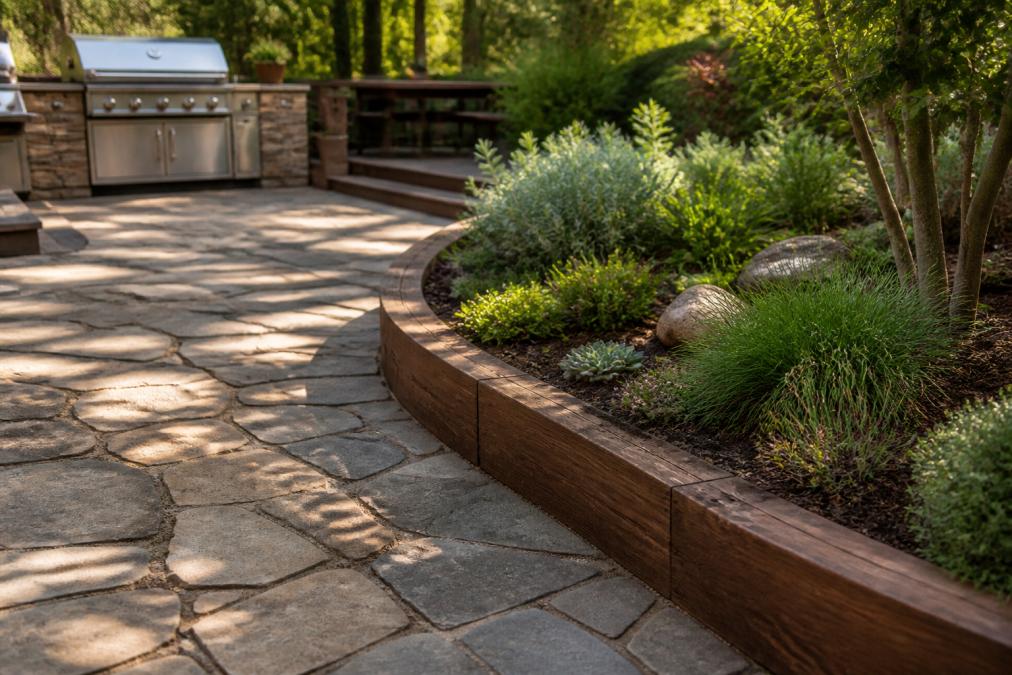
Contemporary design favors irregular-cut natural stone with subtle color variation over uniform pavers, creating visual interest while maintaining cohesion. Curved timber edges, whether reclaimed wood or sustainably harvested materials, soften the transition between hardscape and planting beds.
Stone terraces provide durable, weather-resistant surfaces for entertaining and furniture placement, while curved timber edges define planting zones and create visual flow. This pairing works particularly well in modern retreats because it acknowledges both the built environment and the natural world. Stone terraces require proper drainage and base preparation to prevent shifting, but the investment pays dividends in longevity.
Zoned Layouts for Functional Living
Modern backyard retreat design success depends on thoughtful functional zoning. Rather than treating the entire backyard as one open space, contemporary design creates distinct zones for different activities: entertaining, dining, relaxation, and wellness. This approach makes smaller spaces feel larger and gives each area clear purpose.
Effective zoning relies on subtle visual separation rather than walls or barriers. Changes in elevation, material transitions, and strategic plantings define zones without creating visual fragmentation. A 400-square-foot backyard can accommodate multiple functional areas when zones are clearly defined but visually connected. Spatial flow, the sense of movement through the landscape, becomes more important than total size.
Modern Outdoor Lighting Design Tips for Ambiance and Function
Outdoor lighting transforms a backyard from a daytime-only space into an all-season retreat. Modern outdoor lighting design emphasizes layered lighting that serves both practical and aesthetic purposes: ambient lighting for overall visibility, task lighting for specific activities, and accent lighting that highlights focal points and creates atmosphere.
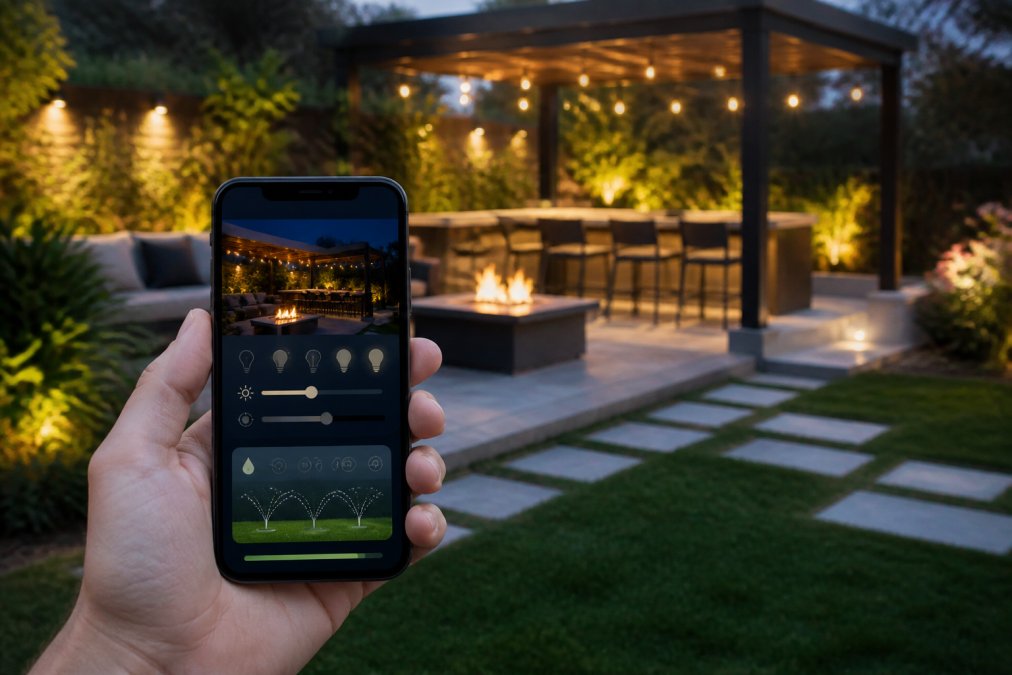
The most sophisticated outdoor lighting designs feel invisible during the day but create a completely different experience at night. Uplighting through trees creates depth, while pathway lighting guides movement safely. Smart home integration has revolutionized outdoor lighting, allowing you to adjust color temperature, brightness, and zones from your phone. Warm color temperatures (2700K-3000K) promote relaxation, while cooler temperatures support visibility and safety.
Contemporary aesthetics favor concealed light sources, fixtures hidden within pergolas, ground-mounted uplights, or recessed pathway lights, rather than visible fixtures. This approach maintains visual integrity while delivering practical illumination. Solar-powered options work well for accent lighting, though wired systems provide more reliable performance for primary lighting zones.
Sustainable Landscaping Ideas 2026 for Climate-Conscious Homeowners
Sustainability in outdoor spaces has moved from niche concern to mainstream expectation. Modern backyard retreat design increasingly incorporates sustainable landscaping ideas that reduce water consumption, support local ecosystems, and minimize maintenance demands.
Native Plants and Smart Irrigation Systems
Native plants form the foundation of sustainable landscaping. They're adapted to local climate conditions, require minimal supplemental watering once established, and support native pollinators and wildlife. A sustainable landscape doesn't mean sacrificing aesthetics; native plants offer diverse colors, textures, and seasonal interest when thoughtfully layered.
Smart irrigation systems represent a significant advancement in sustainable outdoor living. Weather-based controllers adjust watering schedules based on rainfall and temperature, reducing water waste substantially. Soil moisture sensors prevent overwatering by delivering water only when needed. Drip irrigation and soaker hoses deliver water directly to plant roots rather than spraying broadly, improving efficiency by 30-50% compared to traditional sprinkler systems.
Budget-Conscious Retrofitting Strategies
Not every homeowner can afford a complete landscape redesign. Budget-conscious retrofitting strategies allow you to upgrade existing spaces incrementally. Rather than replanting an entire yard, focus on removing underperforming plants and replacing them with native alternatives that provide better seasonal interest and require less water.
Hardscape improvements often deliver more visual impact than plant changes. Adding stone terraces, timber edging, or pathways creates structure and functional zones without requiring horticultural expertise. Lighting retrofits represent another high-impact, relatively affordable upgrade. Solar pathway lights and battery-powered accent lights require no electrical installation, making them accessible for renters and homeowners hesitant about permanent changes.
Smart Home Outdoor Technology Integration for Modern Living
Smart home outdoor technology integration has evolved from luxury novelty to practical necessity for modern retreats. Automated systems manage irrigation, lighting, temperature, and entertainment, creating seamless indoor-outdoor connectivity while reducing manual management and energy consumption.
Weather-responsive irrigation systems monitor local weather conditions and adjust watering schedules automatically, preventing overwatering during rainy periods and increasing frequency during dry spells. Outdoor entertainment systems extend your indoor entertainment capabilities into the backyard. Networked lighting systems allow you to control brightness, color temperature, and zones from your phone or voice commands. Temperature management through outdoor heaters, misters, and fans extends comfortable outdoor time across seasons.
Security integration, cameras, motion sensors, and smart locks on garden gates, provides peace of mind while monitoring your outdoor spaces. Environmental sensors track temperature, humidity, and air quality, helping you understand how your microclimate differs from broader weather patterns.
Creating Wellness Zones and Resort-Style Amenities
The wellness focus in modern backyard retreat design reflects broader lifestyle priorities. Creating dedicated wellness zones, spaces specifically designed for relaxation, meditation, or gentle movement, transforms your backyard from entertainment-focused to holistic wellness-focused. These zones emphasize sensory experience: soothing water sounds, natural scents from plantings, comfortable seating, and ambient lighting that promotes calm.
Resort-style amenities create that sense of escape without leaving home. Hot tubs, fire pits, outdoor showers, and sauna structures elevate the backyard from basic outdoor space to destination retreat. Wellness zones benefit from strategic placement away from entertaining areas, with privacy screening and soft ambient lighting.
Fire Features and Water Elements
Fire features serve both practical and psychological purposes. A fire pit creates warmth for extended outdoor season use, provides a natural gathering point for entertaining, and creates ambient lighting that feels more intimate than electric sources. The Anchorage Wood Finish Square Gas Outdoor Patio Fire Pit exemplifies contemporary fire feature design, combining functional heating with aesthetic appeal. Gas-powered options eliminate the need for firewood management while delivering consistent, controllable heat.
Water elements contribute to wellness through multiple sensory channels. The sound of moving water masks urban noise and creates a meditative atmosphere. Visual interest from water movement draws the eye and creates focal points. From simple fountains to elaborate pond systems, water elements scale to fit any space and budget.
Outdoor Kitchens and Entertainment Spaces
Outdoor kitchens have evolved from luxury novelties to practical extensions of indoor cooking spaces. A well-designed outdoor kitchen encourages entertaining and makes hosting larger groups more manageable. The KoKoMo Outdoor Kitchen BBQ Island with 12' x 12' Pergola represents the integrated approach to outdoor entertaining spaces, combining built-in grills, refrigeration, and covered dining areas. For those seeking maximum functionality with premium finishes, the KoKoMo Baja Outdoor Kitchen with 12x12 Patio Cover offers complete modular design.

Outdoor entertainment spaces benefit from thoughtful furniture selection. The 8-Piece Rattan Outdoor Conversation Set with Swivel Rocking Chairs and the 9-Piece Wicker Outdoor Conversation Set provide comfortable, durable seating that encourages lingering conversations. Quality outdoor furniture designed for weather resistance maintains its appearance and functionality across seasons.
DIY vs. Professional Installation: What Works for Your Budget
Understanding which projects suit DIY approaches and which benefit from professional expertise helps you allocate resources effectively. Simple projects like installing solar pathway lights, adding mulch, or planting native plants work well for DIY implementation. Hardscape projects like stone patio installation require more expertise; improper base preparation leads to shifting pavers and drainage problems within years.
Electrical work for outdoor lighting, irrigation system installation, and smart home integration typically require professional expertise or at minimum professional inspection. Gas-powered features like fire pits or outdoor grills absolutely require professional installation to ensure safe operation.
A hybrid approach often makes sense. Professionals handle structural elements, hardscape, electrical, and gas systems, while you manage planting, mulching, and seasonal maintenance. For significant investments like outdoor kitchen islands or premium furniture sets, professional installation often includes assembly, positioning, and integration with existing structures.

Climate-Specific Design Adaptations for Your Region
Modern backyard retreat design must account for regional climate realities. A design that works beautifully in Southern California may fail in the Pacific Northwest, and vice versa.
Humid, rainy climates require different material selections than dry regions. Wood components need more aggressive protection against moisture and fungal growth. Arid climates demand water-conscious plant selection and efficient irrigation. Cold climates require attention to winter functionality through covered structures, wind protection, and heating elements. Coastal regions face unique challenges from salt spray, high winds, and sandy soils, requiring salt-resistant materials and wind-resistant structures.
The most successful modern backyard retreat designs acknowledge these regional realities rather than ignoring them. A design that works with your climate rather than against it requires less maintenance, lasts longer, and ultimately provides better value.
Creating your ideal backyard retreat requires balancing aesthetics, functionality, and practical constraints. The modern outdoor living spaces that truly deliver are those thoughtfully adapted to your climate, scaled to your actual space, and designed around how you'll genuinely use them. At Rooms Outdoors, we understand that premium outdoor living means investing in quality pieces that perform beautifully across seasons while creating the serene, refined atmosphere that defines quiet luxury. Shop the collection today to discover kitchen islands, fire pits, and furniture designed to transform your backyard into the personal retreat you've imagined.
Frequently Asked Questions
What are the top backyard design trends for 2026?
Modern backyard retreat design in 2026 emphasizes biophilic design, raw material aesthetics, and functional zoning. The biggest trends include stone terraces paired with curved timber edges, smart automation for lighting and irrigation, wellness-focused spaces with fire features, and sustainable landscaping using native plants. Contemporary designs also prioritize all-season comfort through pergolas and covered outdoor kitchens, creating spaces that blur the line between indoor and outdoor living.
How can I create a modern backyard retreat on a budget?
Start with strategic hardscaping by focusing on one focal point, like a fire pit or outdoor kitchen island, rather than overhauling the entire yard. Choose sustainable materials that double as attractive elements, such as native plantings that require less maintenance. DIY-friendly additions like ambient lighting and privacy screening can dramatically transform the space at a fraction of professional installation costs. Phased retrofitting allows you to spread expenses over time while building your retreat incrementally.
What landscaping features increase home value in 2026?
Sustainable landscaping with native plants, smart irrigation systems, and well-designed hardscaping like stone terraces consistently add value. Outdoor kitchens and entertainment spaces are high-ROI investments for luxury homes. Wellness zones with fire features and water elements appeal to buyers seeking resort-style amenities. Proper spatial flow and privacy screening through layered planting also enhance perceived value by creating intimate, functional zones that extend living space outdoors.
How do I choose the right hardscaping for a modern backyard?
Consider your climate, existing aesthetic, and functional needs. Stone terraces work well in most regions and pair beautifully with curved timber edges for contemporary appeal. For areas with heavy moisture, permeable hardscaping prevents water damage. Evaluate durability, materials like stainless steel and granite withstand weather extremes. Think about spatial flow and zoning: hardscape should define different functional areas (dining, lounging, cooking) while maintaining visual continuity. Professional-grade materials ensure longevity in high-traffic zones.
Are the materials in premium outdoor kitchens and furniture actually weather-resistant?
Yes, quality outdoor pieces use materials specifically engineered for weather exposure. Stainless steel resists rust and corrosion, granite handles moisture and temperature swings, and high-grade wicker is UV-treated to prevent fading. Premium brands like those curated by Rooms Outdoors prioritize durability through material selection and construction. Even in wet climates like the Pacific Northwest, properly chosen materials require minimal maintenance. Always verify material specifications and warranty coverage for your specific regional climate conditions.
What's the difference between DIY and professional installation for outdoor spaces?
DIY works well for smaller projects like ambient lighting, planting, and furniture arrangement, saving installation costs. Professional installation is worth the investment for complex systems like smart irrigation, hardscaping foundations, and built-in outdoor kitchens, where improper installation can cause long-term damage. Professionals ensure proper drainage, electrical safety, and structural integrity. For significant investments like a $6,000+ kitchen island, professional setup protects your warranty and ensures optimal performance in your specific climate and soil conditions.
How does smart home technology actually work in outdoor spaces?
Smart outdoor systems control lighting, irrigation, and temperature through smartphone apps or voice commands. Smart irrigation adjusts watering based on weather and soil moisture, reducing waste. Ambient lighting can be scheduled or dimmed remotely for ambiance and security. Some systems integrate with home automation platforms for seamless control. Weather-resistant controllers and wireless connections eliminate the need for extensive rewiring. These systems save time, reduce resource consumption, and enhance functionality without requiring constant manual adjustment.
What's the best way to maximize a small or oddly-shaped backyard?
Use zoned layouts and strategic focal points to make small spaces feel larger and more functional. Curved timber edges and layered planting create visual flow without overwhelming tight areas. Choose appropriately scaled furniture and kitchen islands, compact options exist that deliver resort-style features without dominating the space. Vertical elements like pergolas and privacy screening add height and definition. Proper spatial flow and minimalist design prevent cramping. Many premium outdoor kitchens and patio sets come in modular configurations that adapt to unconventional layouts.
This article was written using GrandRanker